Use Case
Nov 5, 2025
AI Development Accelerator
Build your team an AI-native platform that transforms meeting transcripts into production-ready code by automating requirements analysis, prompt generation, and test case creation. This tool can eliminate manual handoffs and reducing development cycles dramatically across the entire SDLC.
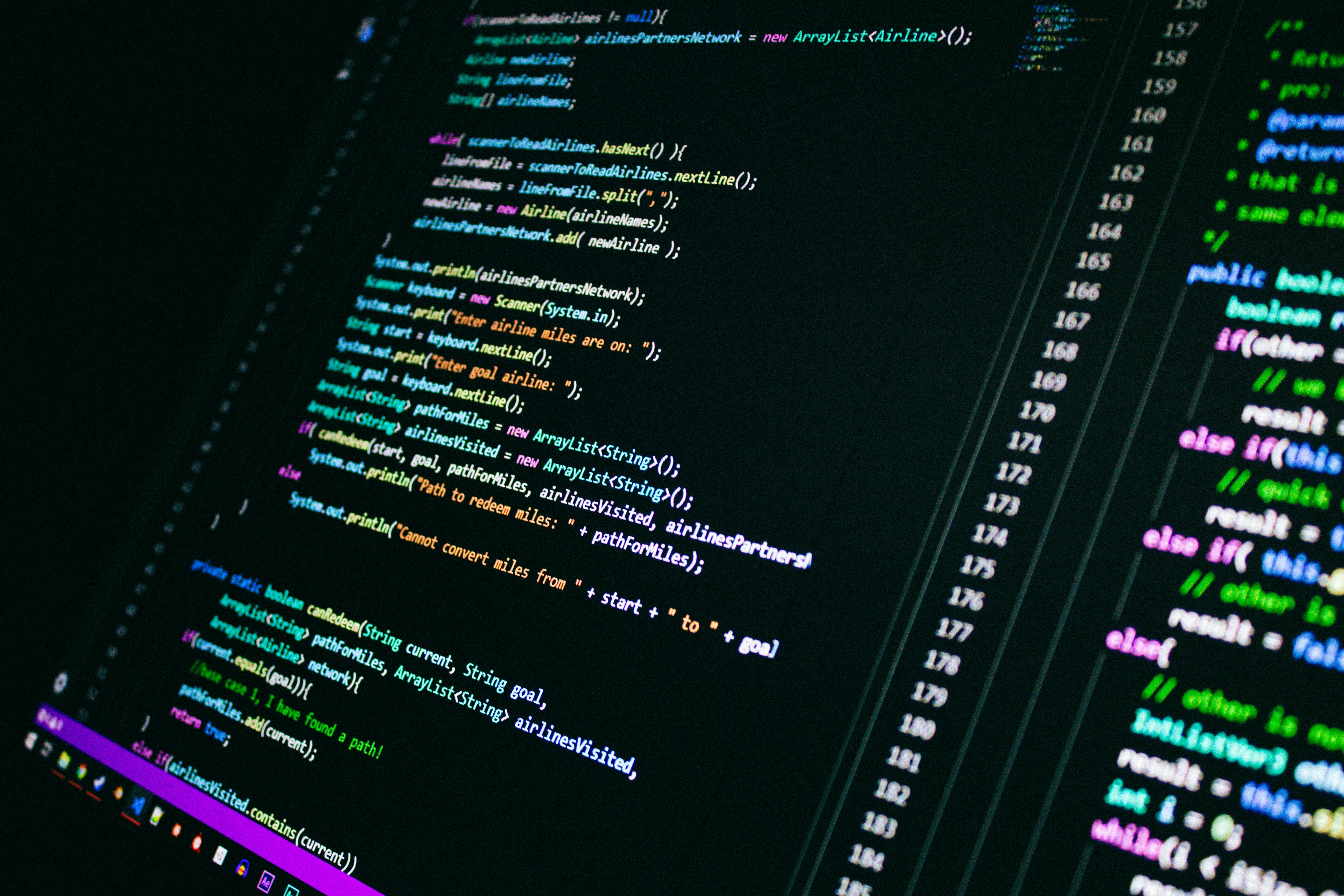
AI Development Accelerator
Developers spend more time on operational and background tasks than they do on coding, according to an IDC analyst report from Feb 2025.
The AI Development Accelerator attacks this productivity drain by embedding intelligence at every stage of the SDLC. The platform ingests raw meeting transcripts and automatically generates structured user stories, developer-ready prompts, and comprehensive test cases.
It integrates seamlessly with Azure DevOps and GitHub and eliminates the manual translation work that typically spans hours, days or weeks.
Our early prototypes processed 25-minute meetings into fully structured stories with acceptance criteria, generated contextual prompts for developers, and produced complete test case suites in just a few clicks, all without human intervention.
AI Use: Why Intelligence Matters
Software development suffers from a fundamental translation problem: business requirements expressed in meetings must be manually converted into technical specifications, then into code, then into tests.
Each handoff introduces delays, inconsistencies, and information loss.
AI doesn't simply have the ability to speed up these translations, it can eliminate the translation layer entirely.
Large language models can parse unstructured conversation, extract intent, generate technical specifications in consistent formats, and produce contextually relevant code scaffolding.
This isn't automation of existing processes; it's the removal of entire categories of manual work that exist purely because humans needed intermediary steps to move from business language to technical execution.
Business Impact & Applications
Team Role Shift: Requirements analysts shift from manual transcription to strategic validation and refinement
SDLC Speed: Traditional multi-week requirements-to-testing cycles compressed dramatically
Developer Efficiency: Developers receive pre-structured prompts with acceptance criteria, eliminating hours of context-gathering
QA Quality Improvement: QA engineers shift from baseline test creation to edge case identification and exploratory testing
Healthcare: Transform clinical workflow requirements meetings into HIPAA-compliant feature specifications with built-in security validation
Insurance: Auto-generate test cases for claims processing logic that reference specific regulatory requirements
Financial Services: Parse compliance discussions into structured stories with embedded regulatory references and PCI-DSS considerations
Manufacturing: Convert production planning meetings into IoT integration specifications with edge cases identified
Enterprise Software: Compress product roadmap discussions into sprint-ready stories with technical specifications
The Future of AI in Software Development
As AI agents and tools become more sophisticated, the entire SDLC will evolve from a series of manual handoffs into a continuous intelligence layer that translates business intent directly into tested, production-ready code.
The question isn't whether AI will automate software development workflows, it's whether organizations will adopt these capabilities fast enough to remain competitive.
Ready to Test It?
See how the AI Development Accelerator can compress your requirements-to-code timeline in a free AI consultation. Complete our Contact Form to discover how much faster your team could be shipping features.